Kyoto by Foot: Solitude in Ancient Temple Neighborhoods
Walking the silent northern foothills of the ancient capital, away from tourism corridors and into centuries of mindful craftsmanship.
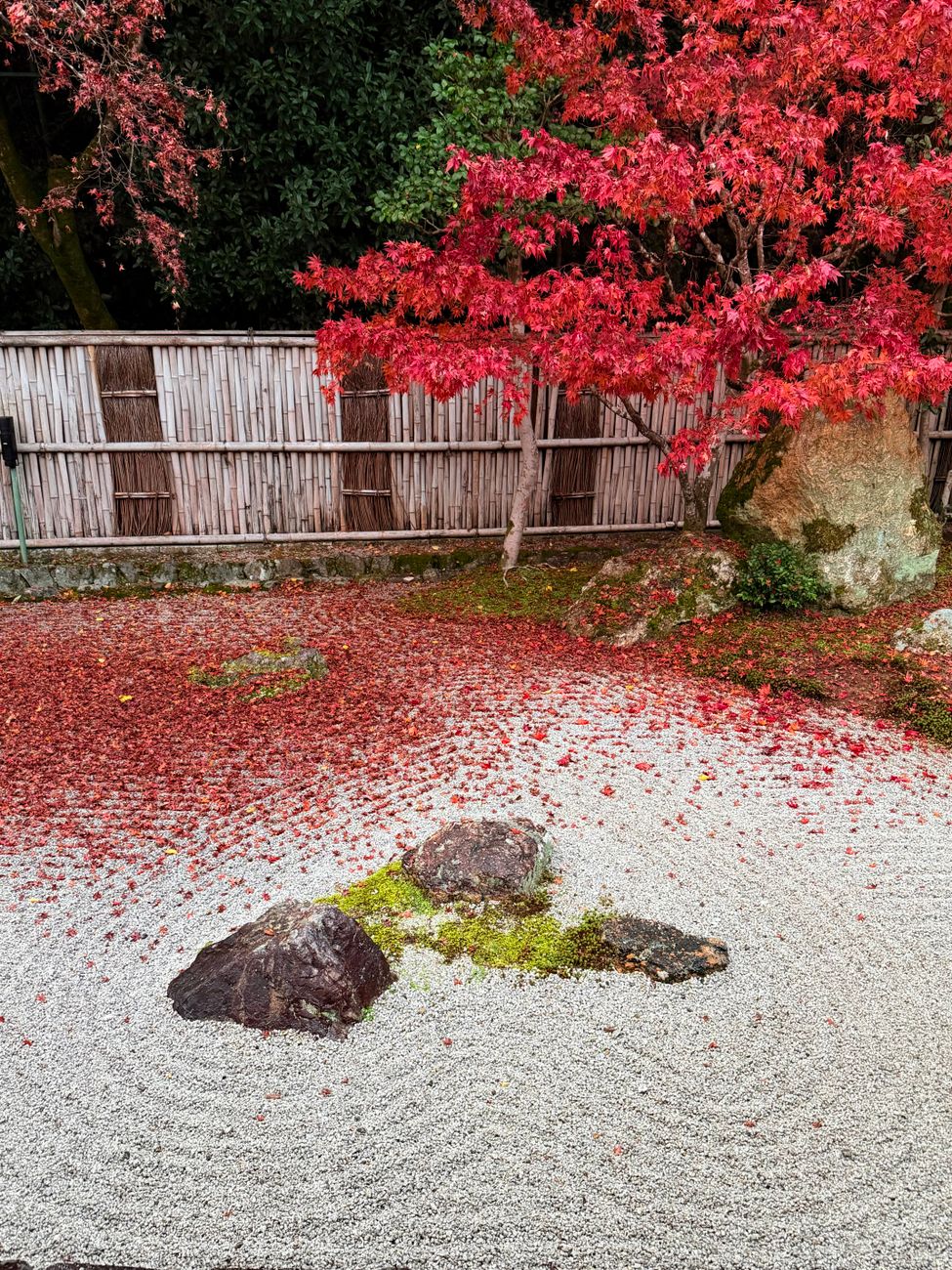
While mainstream tourism guides crowd thousands into the narrow alleys of Gion and the bamboo paths of Arashiyama, an entirely different Kyoto persists for those willing to rise before dawn and walk without an itinerary. In the northern wards of Daitoku-ji and Ichijoji, centuries of Zen architectural thought remain quietly alive.
Here, the boundaries between indoor space and outdoor gardens dissolve through sliding shoji screens and polished cedar verandas (engawa). The architecture teaches posture: one steps down to enter the garden, sits low on woven tatami mats, and listens to water dripping into stone basins (tsukubai).
The Philosophy of Restored Machiya
In response to modern concrete development, dedicated master carpenters (daiku) have been painstakingly rehabilitating traditional machiya townhouses. Built without nails, these timber structures utilize complex interlocking joints that allow wood to flex and breathe with seasonal humidity.
Staying in an authentic restored machiya allows travelers to experience light as an architectural material. As Jun’ichiro Tanizaki observed in In Praise of Shadows, the beauty of a traditional Japanese room rests upon the variations of obscurity and gold leaf reflections rather than stark illumination.
"To experience Kyoto is not to see monuments, but to notice the sound of cedar leaves falling on raked quartz sand."
A Respectful Protocol for Independent Guests
When entering local temple sub-compounds, visitors are encouraged to leave smartphones tucked away, remove shoes deliberately, and observe periods of quiet sitting. The masters who maintain these grounds dedicate hours daily to weeding individual patches of moss by hand.
Through our private editorial dossiers, we assist travelers in securing respectful appointments with independent tea masters, woodblock carvers, and ceramics ateliers whose families have lived in the same neighborhoods for four hundred years.