The Art of High-Altitude Silence in Alpine Shelters
Where larch timber, cold mountain granite, and zero-kilometer culinary heritage preserve an endangered human tranquility.
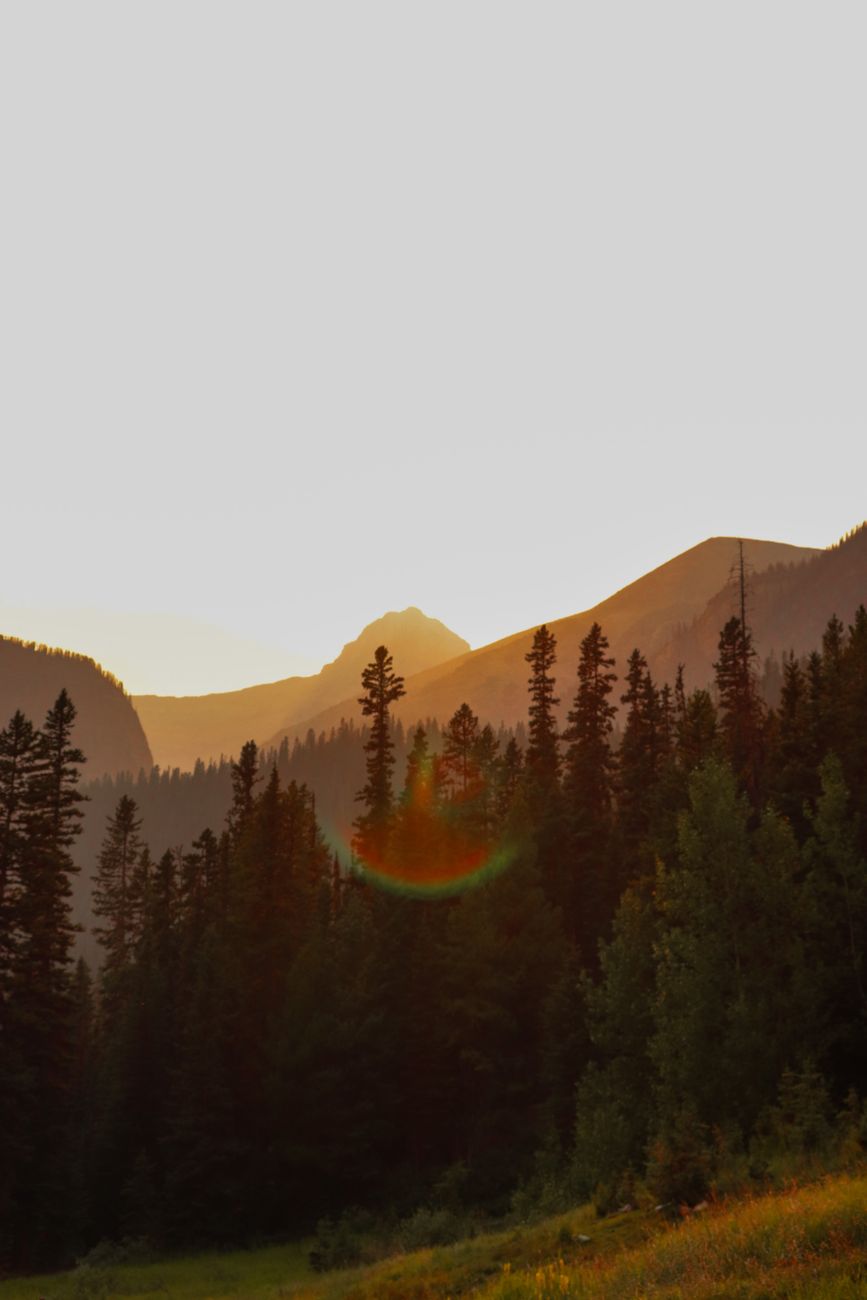
Above the timberline of the South Tyrol Dolomites, the rhythm of daybreak possesses an acoustic clarity that is nearly impossible to describe to those accustomed to metropolitan hum. At 2,200 meters, sound does not rebound against glass or asphalt; instead, it is absorbed by endless limestone pinnacles and damp meadows of wild thyme.
For centuries, the alpine malga served strictly utilitarian purposes: shelter for herdsmen and their cattle during the brief window of summer grazing. Over the past decade, however, an encouraging movement of architects and generational farming families has breathed new life into these vernacular outposts.
Materiality Rooted in Granite and Larch
Rather than transplanting urban luxuries into wilderness contexts, the most thoughtful shelters honor their severe environment. Interiors are constructed with untreated, fragrant stone-pine wood (Zirbelkiefer), known to naturally reduce the human resting heart rate during sleep. Heating is provided by central masonry stoves fed with fallen pine timber.
There are no televisions, no intrusive spa soundboards, and often zero cellular connectivity. What replaces them is a profound sensory reset: the crackle of wood embers, the mineral chill of spring water drawn directly from the rock face, and meals formulated entirely from regional cheeses, wild berries, and stone-ground buckwheat.
"Silence in the mountains is not merely the absence of noise; it is an active presence that reorganizes our attention and returns dignity to thought."
Navigating with Reverence
Those wishing to experience these shelters must approach them on foot. Many require a three to four-hour ascent along well-maintained mule trails, leaving vehicular clutter far below in the valleys. This physical transition acts as an essential rite of passage, decelerating the nervous system before one crosses the timber threshold.
We recommend lingering for at least three consecutive nights at a single shelter rather than hurrying across hut-to-hut circuits. By remaining still, one observes the shift of light upon the Pale Mountains from dawn's faint rose (the enrosadira) to the deep cobalt of mountain dusk.